
At the start of harvest, every winemaker asks the same question: What will this vintage bring?
The vines always have their own answer.
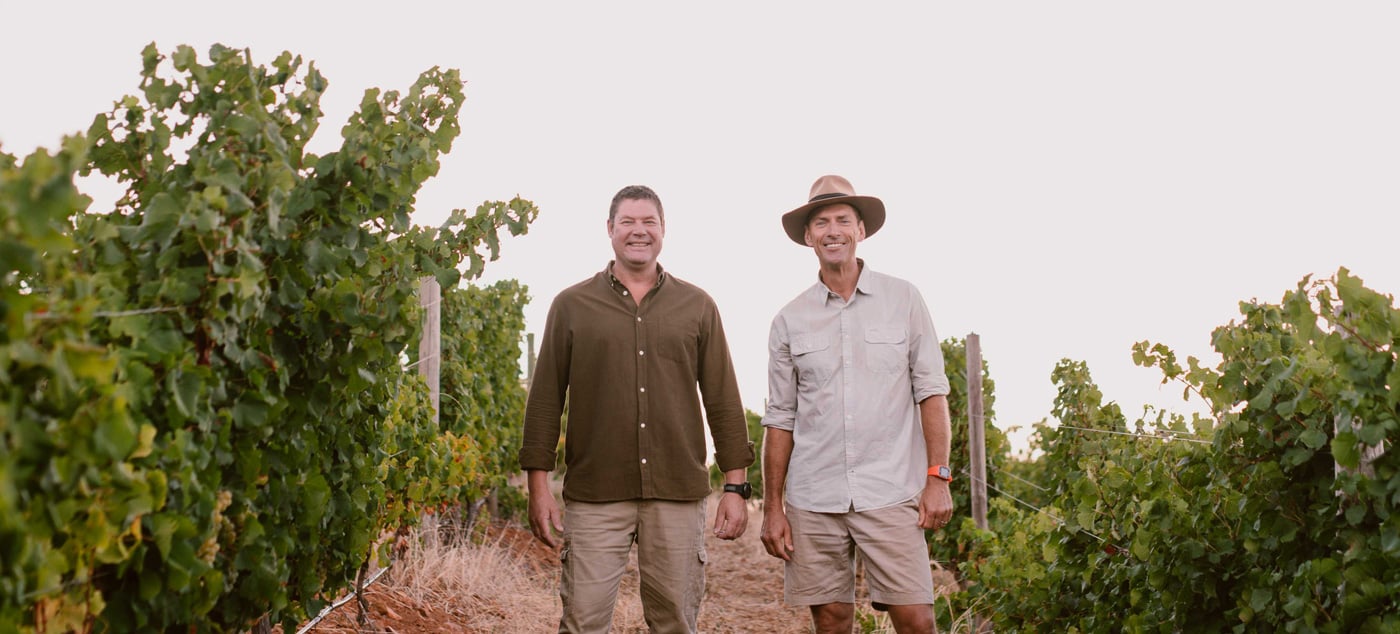
After a dry spring and summer that pointed towards a lighter crop, yields came in higher than expected, with fruit showing excellent purity and concentration. Cellar Master Johan Jordaan and Viticulturist Bennie Liebenberg will tell you: this season kept them guessing right to the end.
Good Growing
Good growing starts well before the first bunch is cut. The post-harvest rains of 2025 replenished soil moisture across Stellenbosch and gave the vines a strong foundation into spring. Temperatures ran hotter and drier than in several years, but the cool nights held firm. That, more than anything, kept quality high.
The first grapes were picked on the 12th of January, with Chardonnay from Durbanville arriving in the cellar for our sparkling wine. Pinot Noir followed the week after. Then things slowed down, with sugar levels staying lower than expected for weeks. Johan and Bennie held their nerve not to rush, drawing from decades of shared experience.
By February, the whites came in steadily alongside early reds. Then a five-day heatwave in the second week of March catapulted the remaining vineyards into ripening almost at once. The Bordeaux varieties crossed the finish line on 18 March, earlier than most seasons.
Small & Concentrated
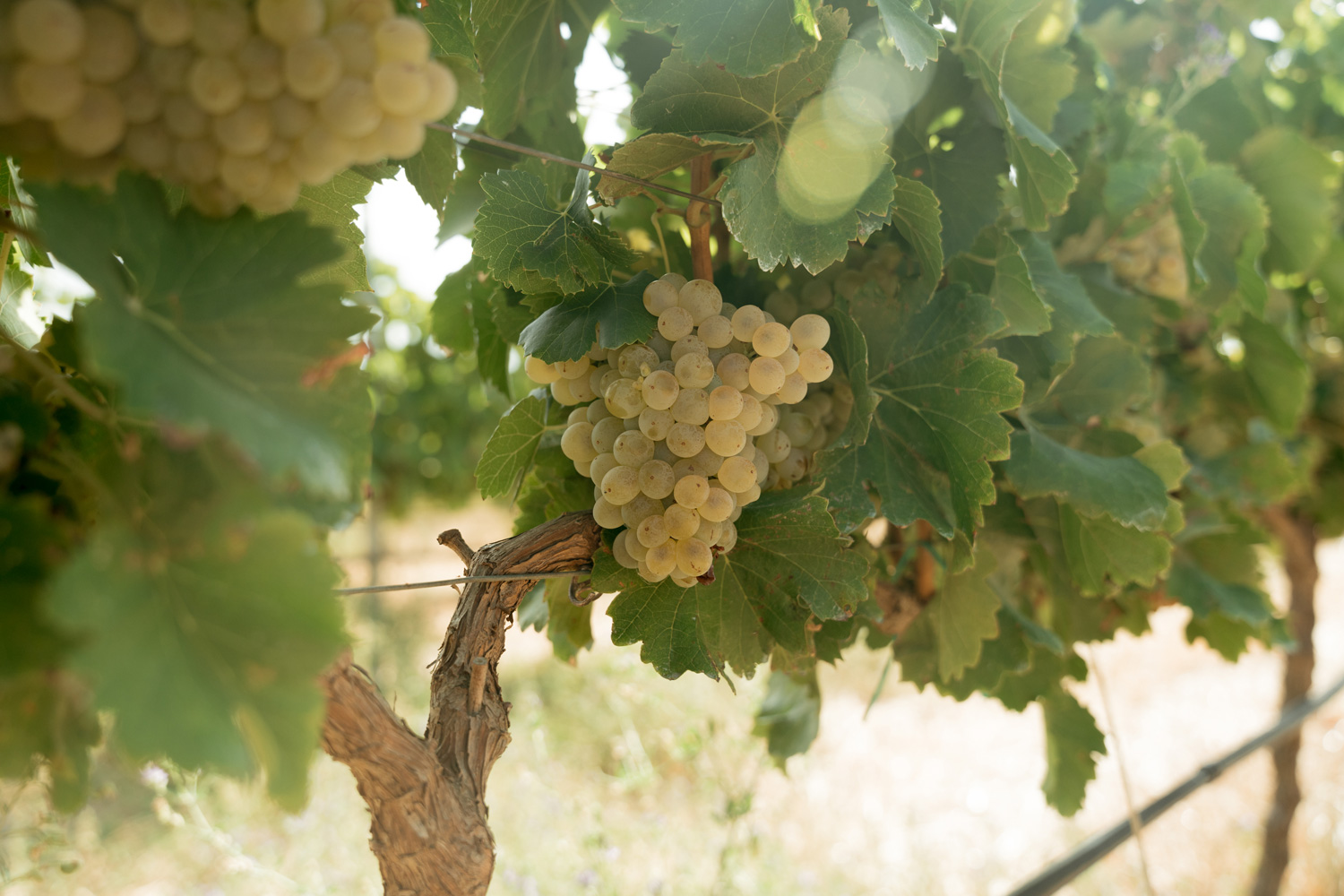
The white varieties are bright and expressive. Chenin Blanc and Sauvignon Blanc are already showing beautiful tropical notes with fresh acidity, particularly from our dryland vineyards in Durbanville. It’s a fitting result for a team led by Cellar Master Johan Jordaan, recently named Chenin Blanc Winemaker at the 2026 Master Winemaker Top 100 announcement for the second year in a row.
For the reds, smaller berries allowed a lighter touch with extraction. Colour came through early, tannin work eased back, and the skins did their job slowly. The result is wines with more polish than power. Pinotage, often quick to ferment, gave the team time for extended skin contact, resulting in a wonderfully elegant expression of the variety.
But it was the Bordeaux varieties that were the season’s real reward. Late-February and early-March showers allowed for the hang time needed to fully ripen tannin, flavour and colour. Careful sorting removed any heat-affected fruit, and what remained shows beautiful concentration and fine, integrated tannin.
Radically Regenerative
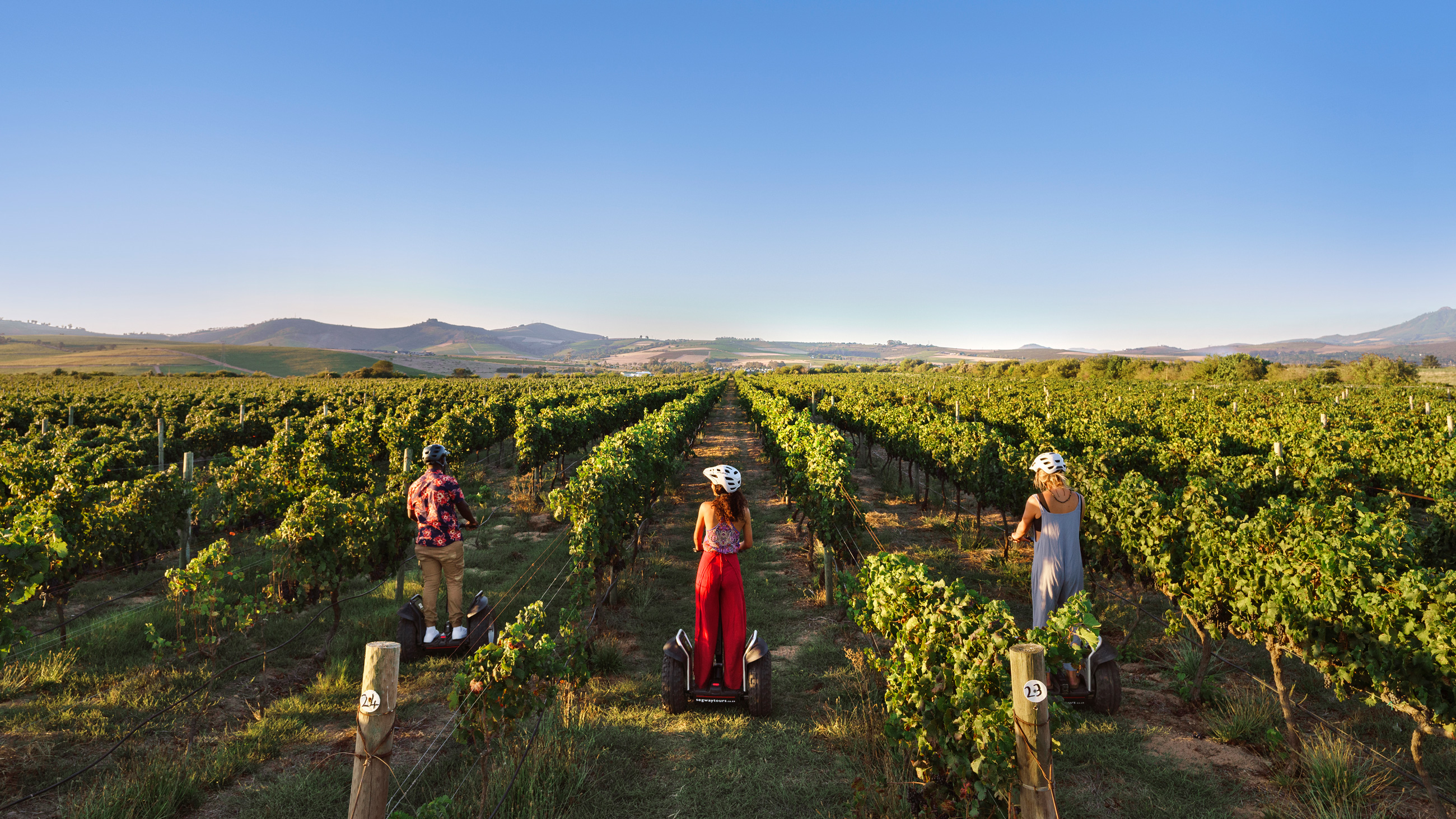
Spier’s two owned farms are certified organic and, year by year, more regenerative. This season, cover crops grew between vine rows to encourage soil life and fix nitrogen naturally. Livestock grazed at key times to help return organic matter to the ground while our Indian Runner ducks handled the snails. It’s slow work, but the good news is that the vineyards planted in 2025 are already tracking well and will add volume to the 2027 harvest.
Winemaking is never one person’s work. It belongs to the vineyard crews out with their secateurs well before dawn, the growers managing land through months of uncertainty, and the cellar team working through the night when the fruit arrives all at once. Our thanks go to all of them, and as always, to the season itself.
It rarely answers the question you started with. But the answer it gives is always a good one.