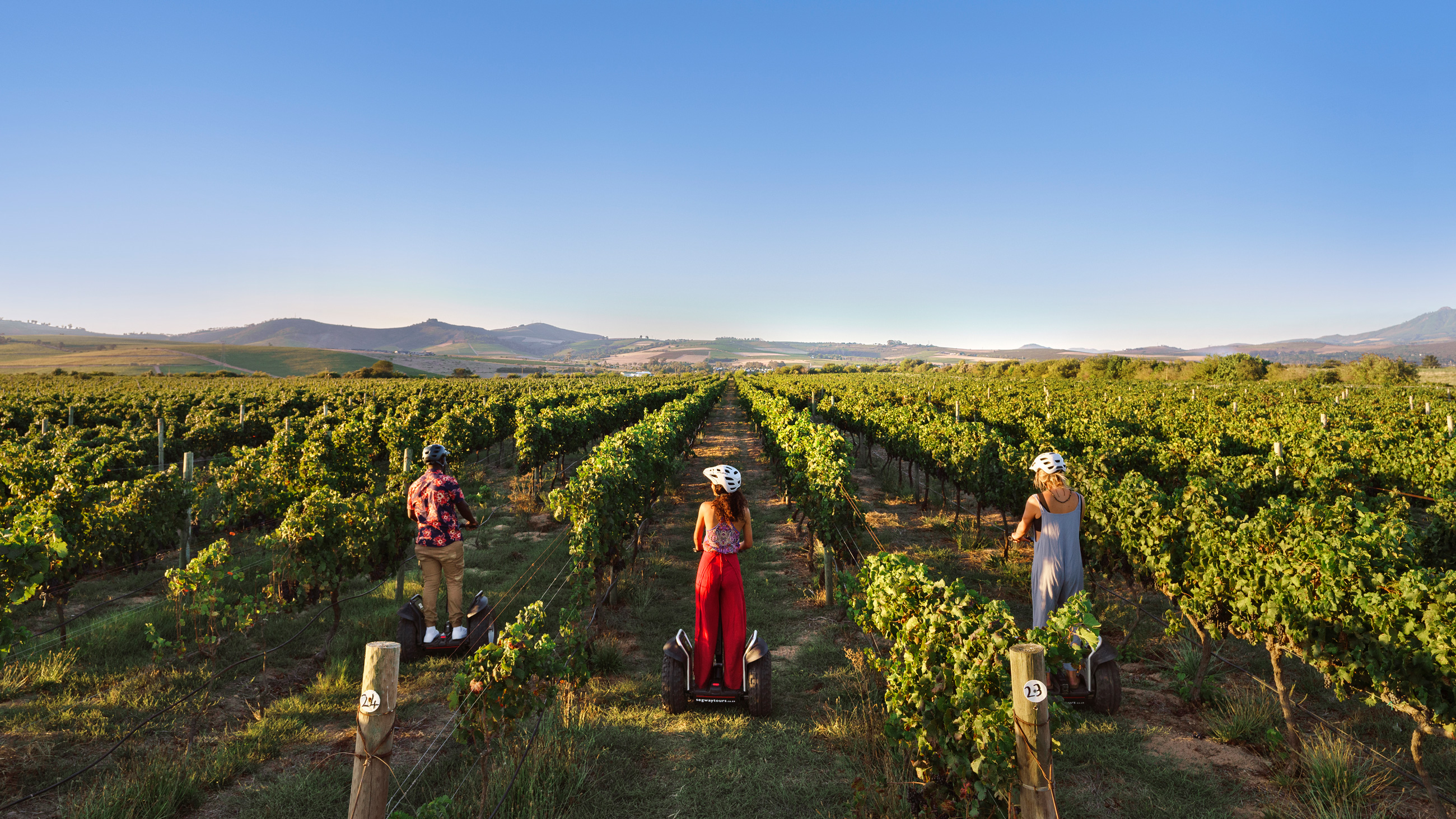


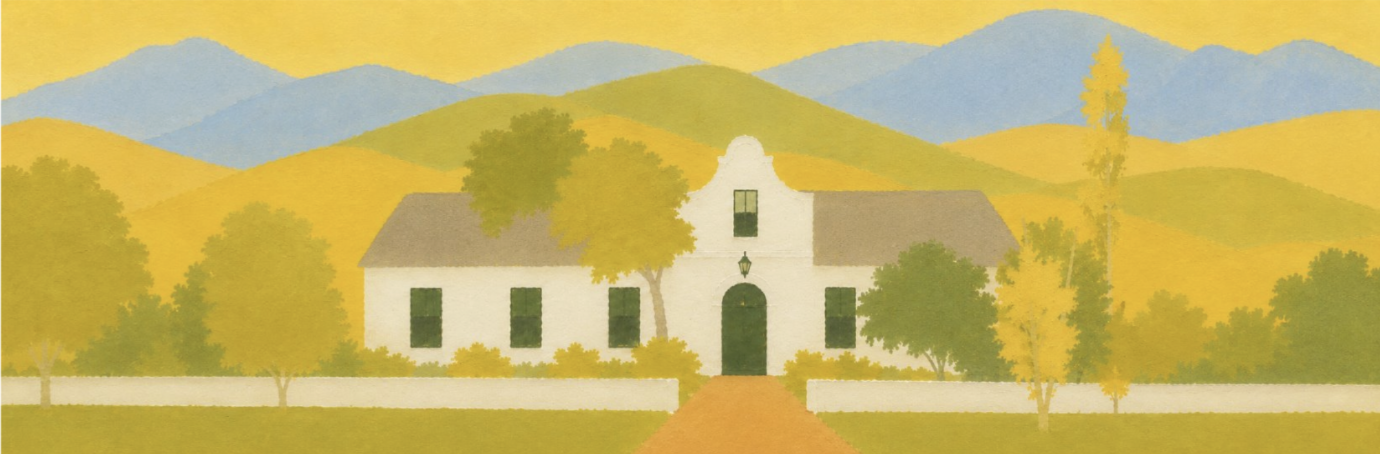
Spier is one of Stellenbosch’s most quietly radical farms. Everything here is farmed with intention, on a single conviction: that land should be left better than it was found. From the vineyards to the pastures, the food garden to the cellar, wildlife and people are bound into one working system. Everything is part of the same cycle. Look after the soil, and the rest follows. The story of what you eat here begins long before an ingredient ends up on your plate or you taste a Spier wine. Rather, it originates in the ground, and in the hands of the people who work it.
Angus McIntosh, known as Farmer Angus, has been farming the land since 2008, with the understanding that soil is a living organism. His cattle are moved to fresh grass as often as four times a day, never left long enough to graze a pasture bare, and the laying hens follow behind them, scratching and fertilising the ground as they go. Fertility is built layer by layer, so that each season leaves the land a little richer than the year before. It is slow, patient work, and it is the quiet foundation beneath everything else that happens on the farm.
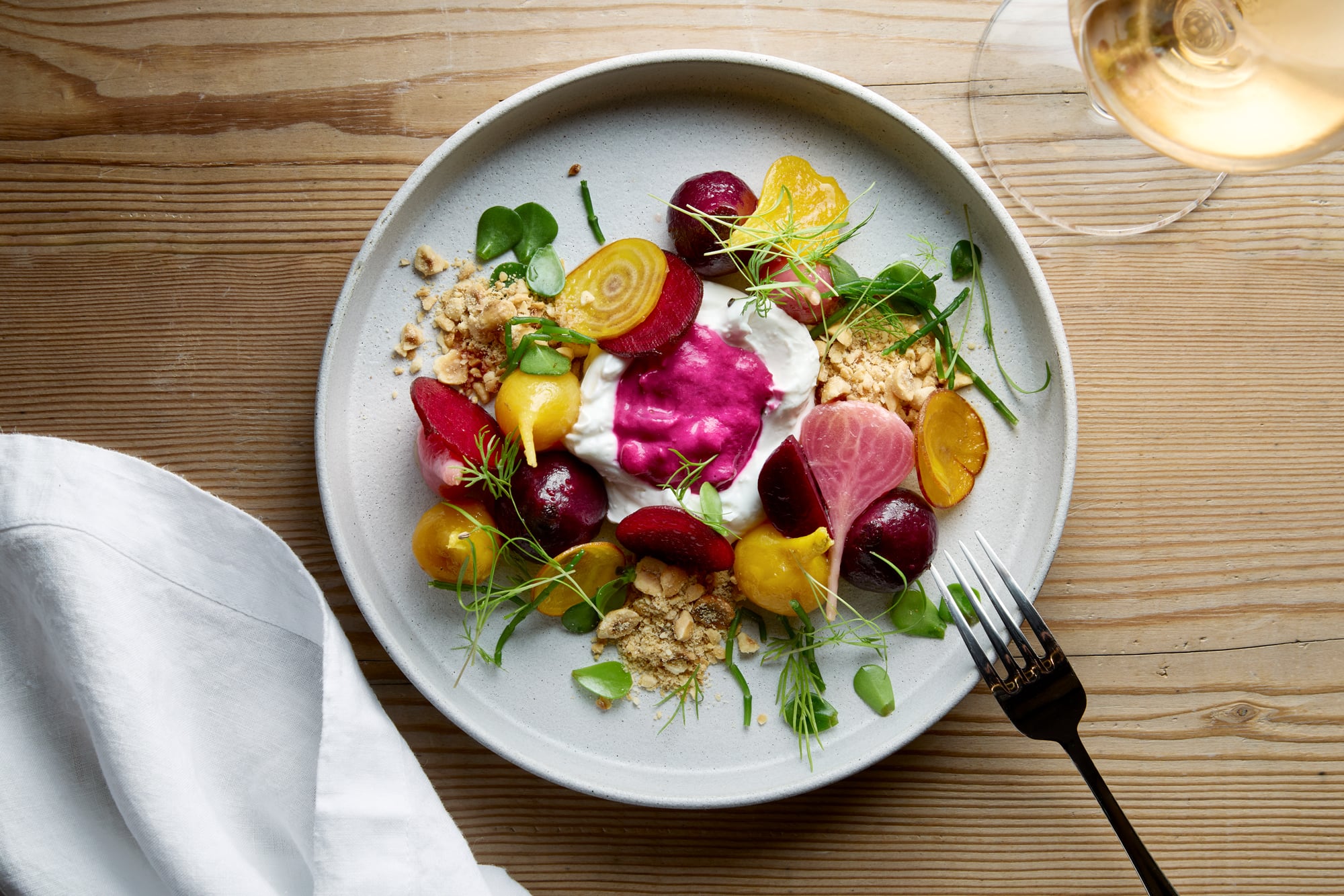
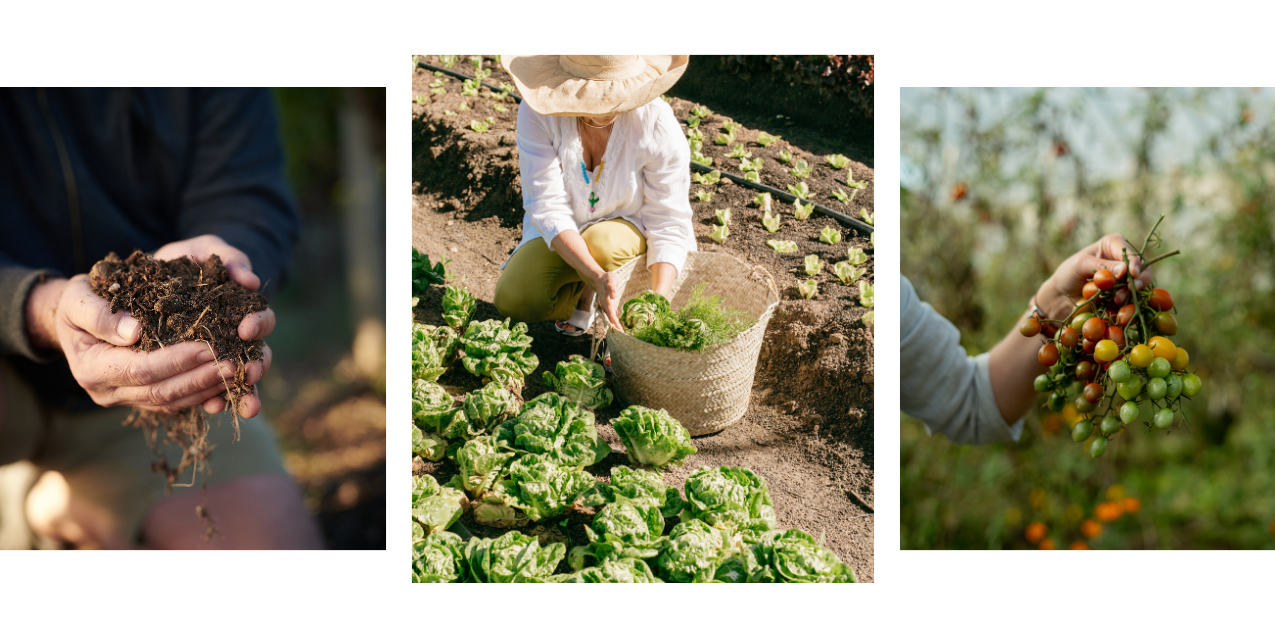
From this soil, Spier’s food garden has taken shape. Agroecologist Megan McCarthy grows food without the use of pesticides or artificial fertilisers, using only products aligned with international organic food growing standards, and it shows in the flavour: carrots that come out of the ground sweet and juicy, and tomatoes full of flavour and character. She keeps things a chef will not find on an ordinary order sheet: heirloom tomatoes in different colours and textures, chosen for the theatre they bring to a plate; duck eggs; mushrooms grown on the farm; and unusual fruits, like tree tomatoes. She inspects the beds every morning, and what her team gathers, still cool from the night, is often in the kitchens by midday, washed and trimmed and ready to be used.
Ask Megan what she wants a guest to understand about where their meal came from, and she talks first about her team: the pride and care they bring to the planting and the picking, and how that finds its way onto the plate. Food grown by hands that love the work, she reckons, simply tastes better.
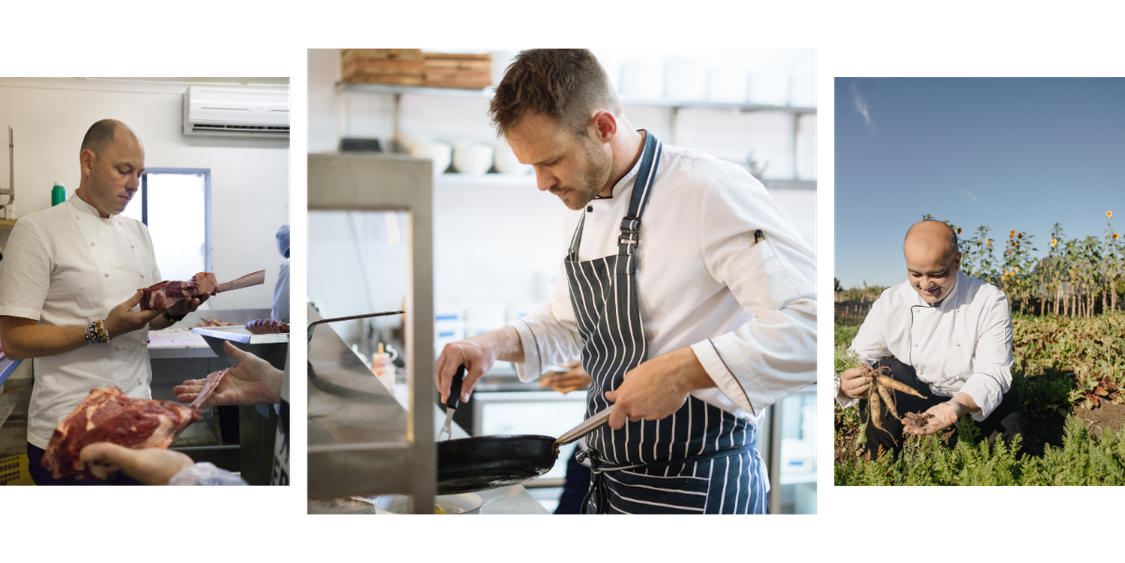
For the chefs, that constraint has become a teacher. Cooking with what the garden supplies has made the hotel kitchen more resourceful, says Craig Patterson, who runs it. When something arrives in abundance, they find ways to preserve, turning a glut of tomatoes or radishes into kimchi, chutney and pickles that carry one season’s flavours into the next.
Across the whole farm, the thinking is the same, and so is the integrity behind it. Spier grows and raises what the farm does well. What it cannot grow in the quantity or range needed is sourced from growers who are aligned with Spier’s intention to leave the earth better than we found it. Most of this produce comes from within an 80-kilometre radius of the farm. As Spier’s executive chef Hennie Nel puts it, “When the farm can produce something well, we make a conscious effort to use it properly and give it a meaningful place.”
What makes that work is the constant conversation between the gardeners and the chefs, in both directions. A crop that ripens all at once becomes that week’s special; and when the kitchen knows what is coming, it tells the garden early enough to plan for it. “The garden doesn’t just supply the kitchen, and the kitchen doesn’t just order from the garden,” Hennie says. “It should be a two-way relationship.” The food they cook is generous and unfussy, and it tastes of where it comes from.
Fire has its own place in all of this. At Vadas Bakery and Smokehouse, chef PJ Vadas cooks over live flame and draws flavour from smoke, time and long, slow fermentation. He will happily admit that cooking with fire is unnecessary – it complicates the day and makes far more work than gas ever would. But he has cooked this way for 13 years because he loves it, and because it gives food a flavour nothing else can. His bread and pastries get the same devotion, taking days to prepare rather than hours. The animals are used nose to tail too, with offal and overlooked cuts shared between the farm’s kitchens so that as little as possible goes to waste.
PJ chose to open his business at Spier because of its family values and what the farm stands for. For him, the work has always been about the relationships built along the way. After years on the farm, he knows its food philosophy from the inside. Technically a tenant, he says he became part of the family long ago.
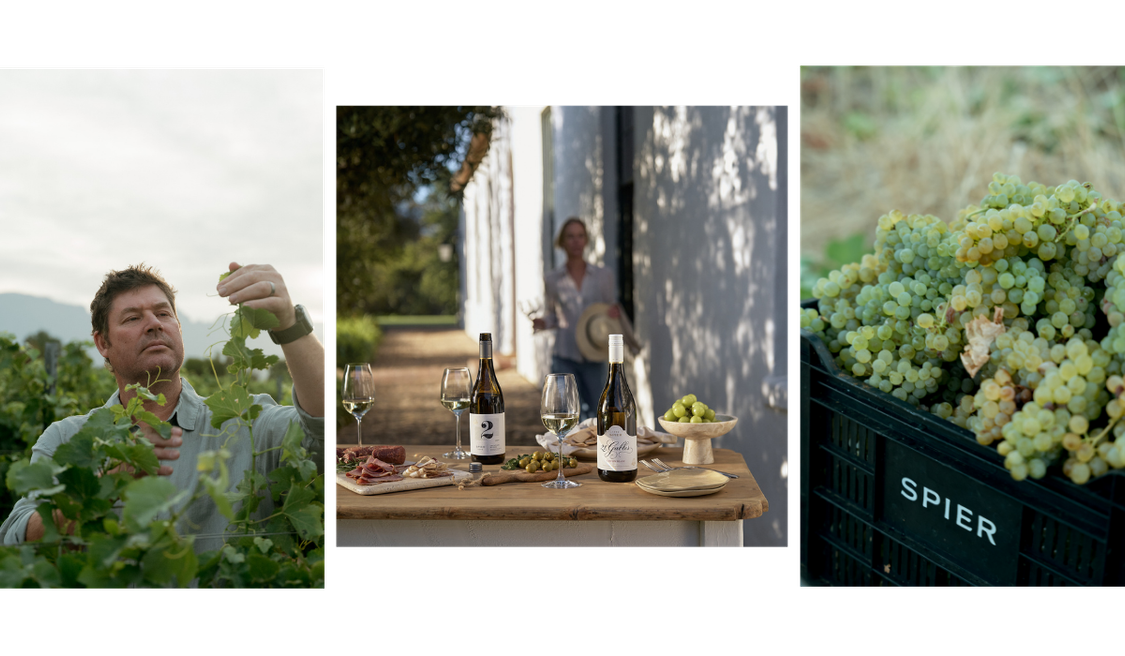
And then there is the wine. For cellar master Johan Jordaan, a great wine is made in the vineyard long before it is made in the cellar, and the same care that feeds the soil feeds the vines, right across the range. That care is also, always, a question of people. The Farmer Angus wines are a partnership in the truest sense: Angus farms the certified organic blocks alongside Spier’s viticulturists, and the wine is made with Spier’s cellar team. The top-tier Frans K Smit carries the name of Frans, Spier’s long-serving former cellar master. The name was chosen by the late Dick Enthoven himself, a sign of how closely Spier’s story is tied to the people who have shaped it.
Other wines tell the farm’s wider story. The Creative Block range takes its name from a Spier Arts Trust project that pays local artists to paint small blank blocks. These works are then gathered into one of the country’s largest contemporary art collections. The name suits this range of blends: distinct grape varieties are brought together to create something greater than any one variety alone. In many ways, this echoes how the whole farm works. And 21 Gables is named for the restored Cape Dutch gables for which Spier is known. This Dutch thread quietly echoes the collaboration’s own beginnings in the Netherlands, in the year Erloom comes to the farm.
For Johan, it comes down to the line Spier has always held that good wine comes from good people and is grown in good soil. The philosophy behind it has not shifted in all his years in the cellar, and as he sees it, the farm is simply trying to be a good custodian of what it has been handed. He wears the wines’ recognition lightly, too. The back-to-back Master Winemaker: Chenin Blanc titles and the rest matter to him less as trophies than as proof that it is not only Spier who rates the wines so highly.
By the time the story reaches the table, then, it is already carrying the work of many hands: the farmer rebuilding the soil, the grower walking among the beds at first light, the chefs preserving the surplus and finding flavour in what the farm yields, the baker tending fire and fermentation, and the winemaker tracing it all back to the vineyard.
That is why, this coming summer, Spier is collaborating with Erloom. From 29 January to 21 March 2027, Spier will host Erloom South Africa, an eight-week culinary residency and the first time this young Dutch collective has worked outside the Netherlands. Erloom was founded in Hilvarenbeek by chef Gijs Bruurs and grew out of a summer restaurant on an organic farm, built around three simple things: fire, nature and the people gathered around the table. Coming to South Africa, in Bruurs’ own telling, is less about growing bigger than about going deeper: bringing his team somewhere unfamiliar to learn from another landscape and another way of cooking, then carrying that knowledge home.
The person who makes that leap feel natural is Margot Janse. Dutch by birth but South African by choice, she is one of this country’s most loved and most awarded chefs. From the kitchen of Le Quartier Français in Franschhoek, she built The Tasting Room into one of the world’s most admired restaurants, introduced South Africa to the tasting menu, and in 2007 became Africa’s first Relais & Châteaux Grand Chef. A year after leaving that kitchen, she turned fully to Isabelo, the feeding scheme she founded in 2009, which still gives 1,500 Franschhoek schoolchildren a nutritious meal every school day. For Margot, cooking and caring for people have never been separate things, and it is that spirit she brings to Erloom as its culinary partner, drawing in the chefs, farmers and winemakers who will take part.
The idea at the heart of the residency is one Spier recognises instinctively. Each week is built around a single farmer or producer and the food they grow or make. Two chefs from different worlds, one Dutch and one South African, are paired to cook a shared menu around that farmer’s story, served to guests at one long table. Alongside them, eight young cooks, half from the Netherlands and half from here, learn the work by doing it. Wine is intrinsic to the whole experience and different winemakers, along with Spier’s own, will be showcased each week. Once the running costs are covered, what remains goes to local community initiatives chosen together by Erloom, Margot and Spier.
Cellar master Johan likes to picture what Spier does as a ripple that keeps widening, influencing and inspiring others along the way. Hosting Erloom is that ripple reaching further than usual, taking what the farm believes about soil, food and people and setting it at one long table with cooks and producers from the other side of the world.
The Erloom team believes that impact does not stop at the table. Here, we would add that it does not begin there either. It begins in the soil, in the hands that work it, and in the quiet conviction that the way we grow our food and the way we choose to live are bound together. For eight weeks, at one long table, that is the story that will be shared.
To experience Erloom South Africa at Spier from 29 January to 21 March 2027, book for one of the Friday dinners, Saturday dinners or Sunday lunches, or sign up for updates as the residency programme is announced.