
At Spier, every wine begins with a reason: a Cellar Master worth honouring, a grape we refused to give up on, an art project, an argument about soil. The wines taste different because they are meant to. Here is how to tell them apart, and how to find the one that suits the table you are setting.
This guide explores the ranges that make up our collection. If you are new to Spier, read this as a guide. If you already know what you like, there is probably something in here that will surprise you too.
Frans K. Smit: Our Flagship Wines
Some years ago, walking the mountainous slopes of the Helderberg, Frans Smit found a single vineyard block he could not stop thinking about. He was believed this particular patch of Stellenbosch could make a wine to stand alongside the best in the world. He spent much of his 27 years as our Cellar Master proving this instinct right, developing a micro-cru philosophy that drew extraordinary wine out of small, specific parcels of land and, in the process, helped put Spier on the map beyond South Africa’s borders.
In honour of Frans’s influence and ongoing legacy, our flagship range now carries his name.
Frans may have handed the cellar to Johan Jordaan in 2021, but the two never really stopped working together. They still meet in the vineyard and the cellar, spending whole days on blending sessions and tasting through barrels. Complex, Bordeaux-inspired and made in small quantities, a Frans K. Smit is the bottle you bring out for someone who will notice, or put away for a decade to see what time makes of it. Either way, it deserves your attention.
21 Gables and our Heritage wines
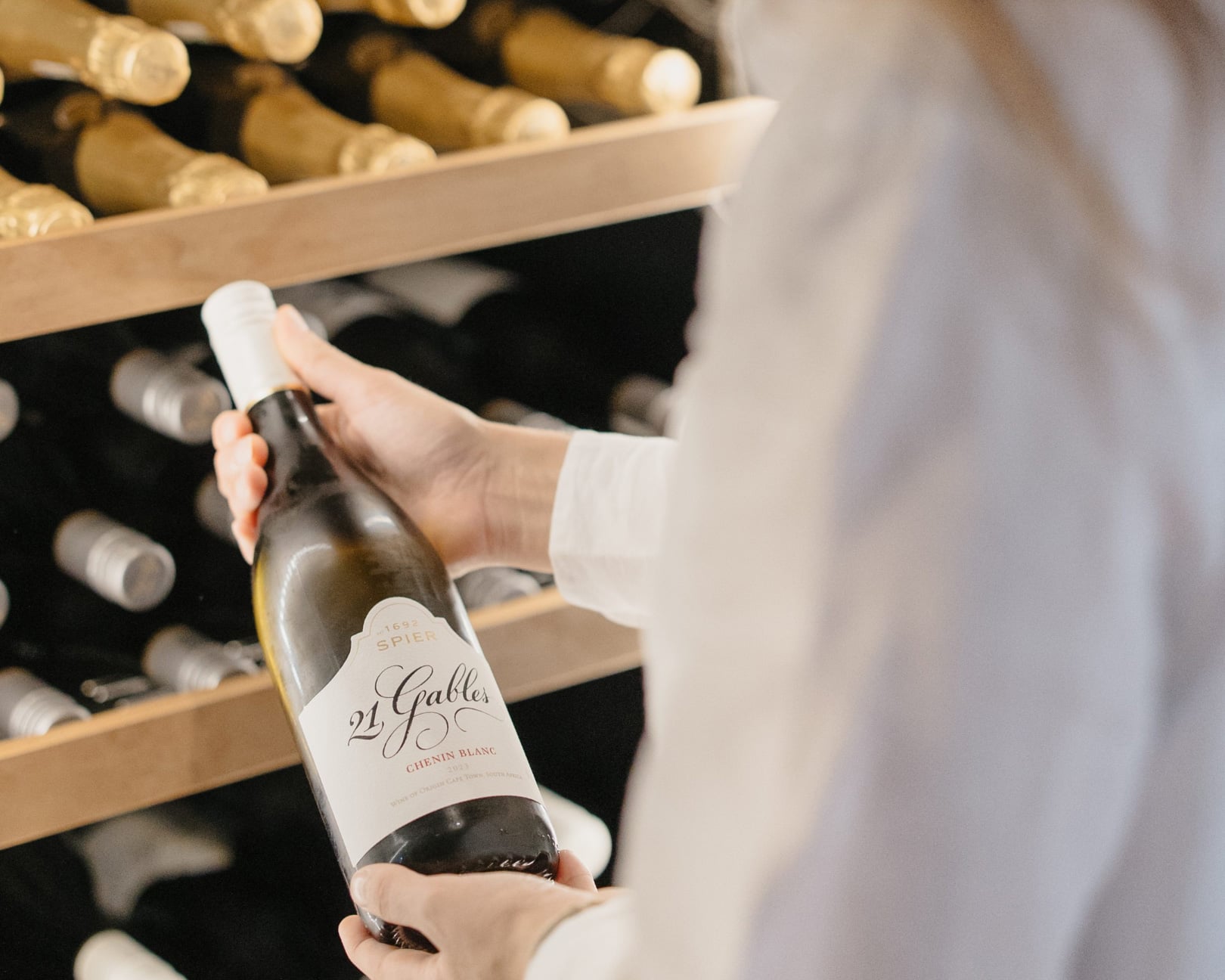
Look up almost anywhere on the farm and you will see them: 21 Cape Dutch gables, their triangular façades crowning the historic buildings, more than any other wine farm in the country. They have stood watch over three centuries of winemaking here. The range that takes their name is an homage to that heritage, and our finest single varietals: a Sauvignon Blanc, a Cabernet Sauvignon, a Pinotage and a Chenin Blanc.
For Johan Jordaan, named Chenin Blanc Master by the Master Winemaker 100 awards in both 2025 and 2026, Chenin is not a fixed formula. Each vintage brings its own challenges and opportunities. He describes it as a wine built in layers. “It’s a hands-on variety that demands a deep understanding of your vineyards.” It is fair to say few people understand this grape, or love it, more than he does. From bright and vibrant to layered and quietly complex, these are wines that can handle a loud room, a complicated plate and a great conversation.
Creative Block, Inspired by South African Art
Arguably our most awarded range, Creative Block takes its name from the Spier Arts Trust project launched in 2004, which invites established and emerging artists to make work on a small standard canvas block, giving them a real income and a wider audience. We have bought more than 17,500 of those blocks over the years, which is part of how Spier came to hold one of the largest contemporary South African art collections in the country.
The wine borrows the idea on purpose. Grapes are chosen from distinct vineyard blocks and combined into Rhône and Bordeaux-style blends that are reliably better than any single part of them, each one numbered for the varietals inside. If you are arriving at a dinner and want a bottle that holds its own whatever is served, you cannot go wrong.
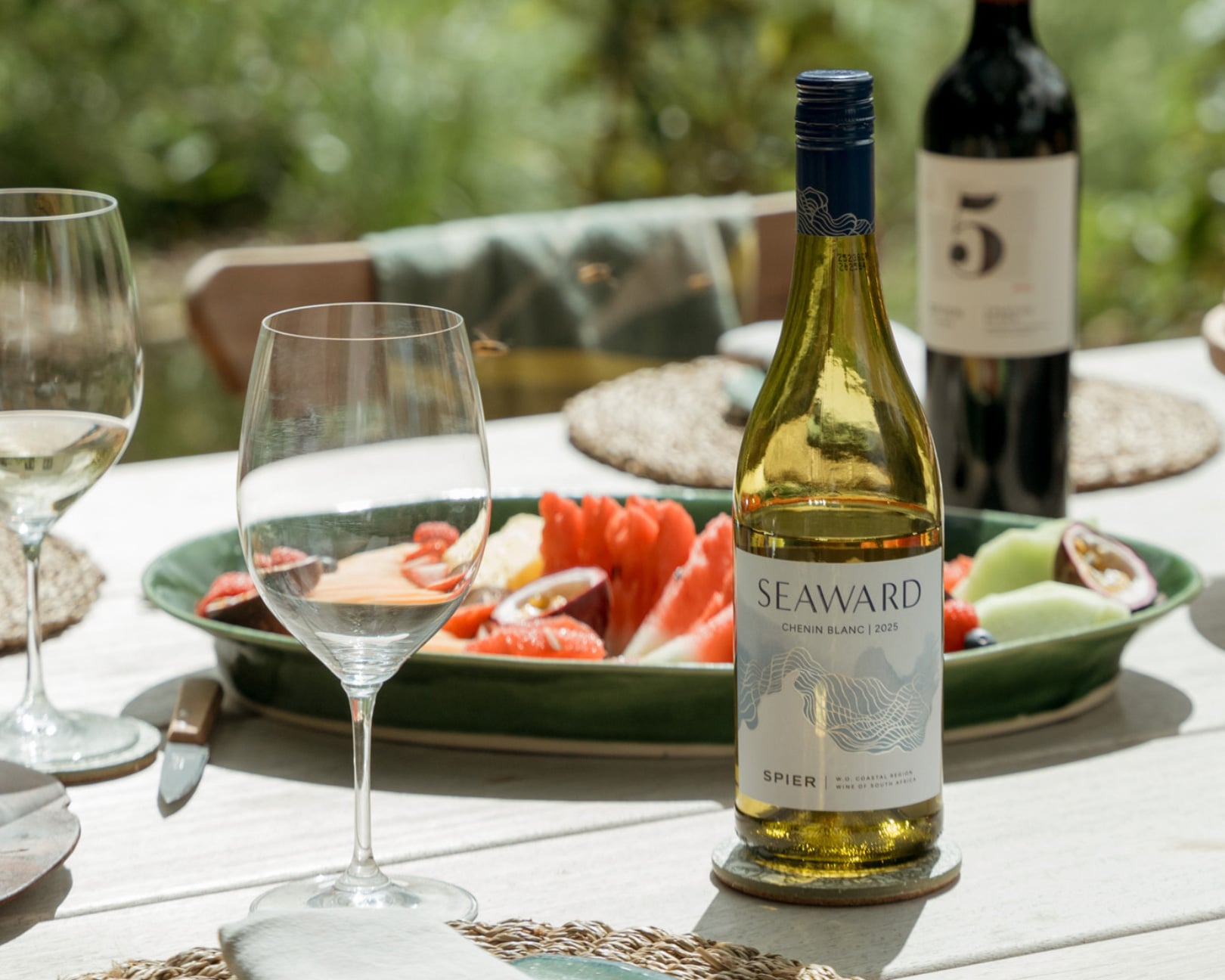
Seaward and Coastal Vineyards
This Seaward range exists because of a problem. As a winegrower, you experience climate change before most people do: heatwaves, rain that comes too hard or not at all, pests arriving where they never used to. It changes how wine is made, and it changed how we thought about where to grow our new vines.
So we looked seaward. Vineyards closer to the ocean get a more stable maritime climate, strong wind, cold air and fog, which means grapes ripen slowly over a longer season. Slow ripening is what gives you crisp acidity, elegance and that clean saline finish. We selected the best grapes grown in the narrow band between the cold Atlantic and the temperate water of False Bay, and Seaward was the result: single varietals that taste unmistakably of the coast they came from.
These are easy-drinking wines with a hidden-gem quality, the kind that reward a curious drinker. We love our coast. As it turns out, so do our vines.
Organic Wines and Regenerative Farming
Both of these start from the same stubborn idea: that good wine begins in the ground, not the cellar.
Farmer Angus wines are made with Angus McIntosh, who left a trading desk, read his way into regenerative agriculture and now moves cattle across our pastures twice a day to build carbon in the soil. The wines are farmed organically and made with as little interference as possible. Our organic winemaker, Tania Kleintjes, describes the cellar as little more than the nursery where the wine finishes what the vineyard started. The labels are Angus’s own work, printed from the leaves of the very vines that made the wine in the bottle.
Good Natured is another certified organic range, named for what it is for: giving back to the land what we take from it. The grapes are grown without artificial pesticides or fertilisers, and made with the same minimal interference.
Wine Tasting at Spier in Stellenbosch
The best place to explore our wines is here on the farm.
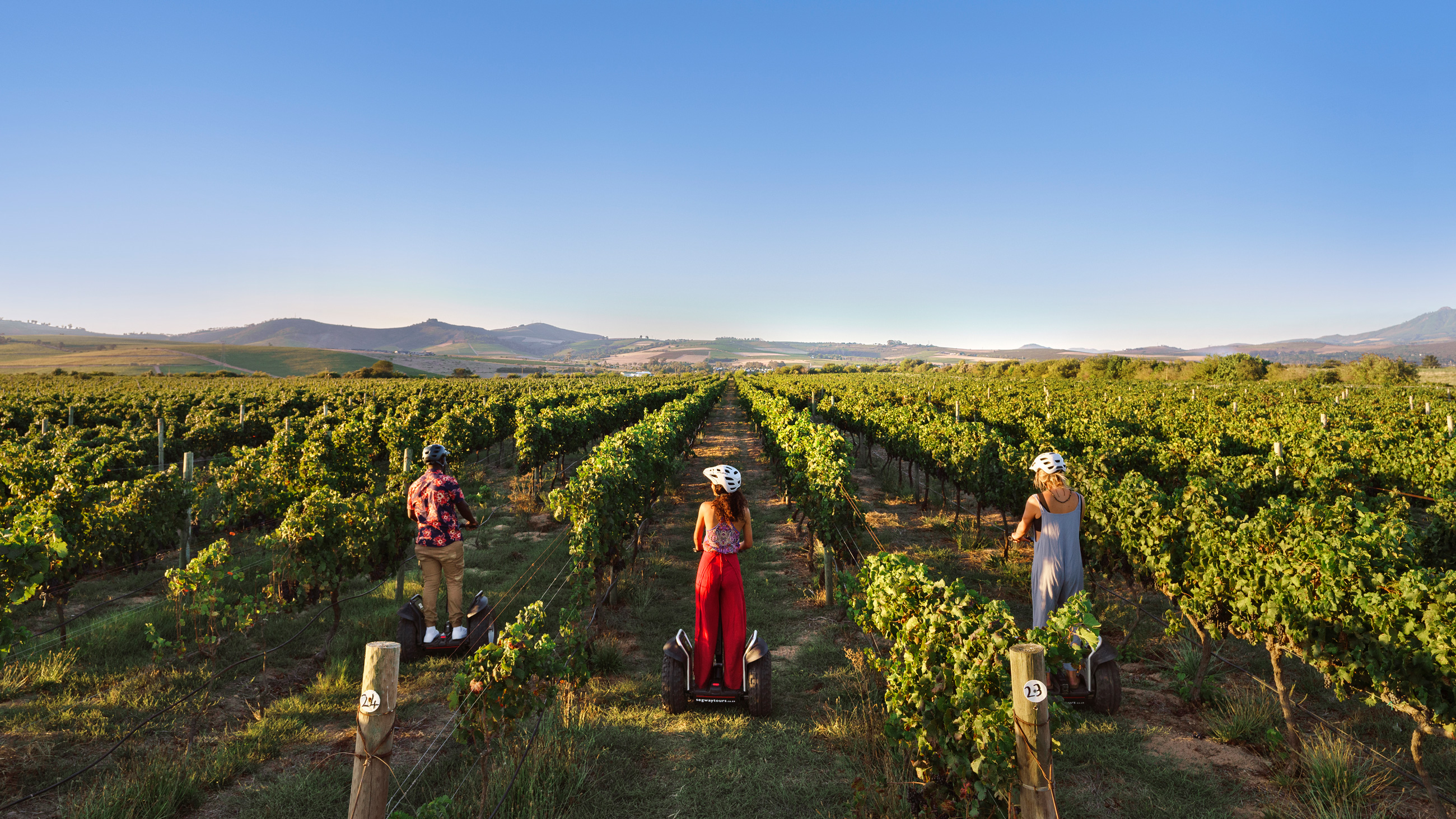
Our tasting room in Stellenbosch gives guests the opportunity to discover the ranges alongside the people who know them best. Whether you are visiting for a relaxed afternoon or planning wine tasting near Cape Town, our team can help you find a wine suited to the table, the season or the occasion.
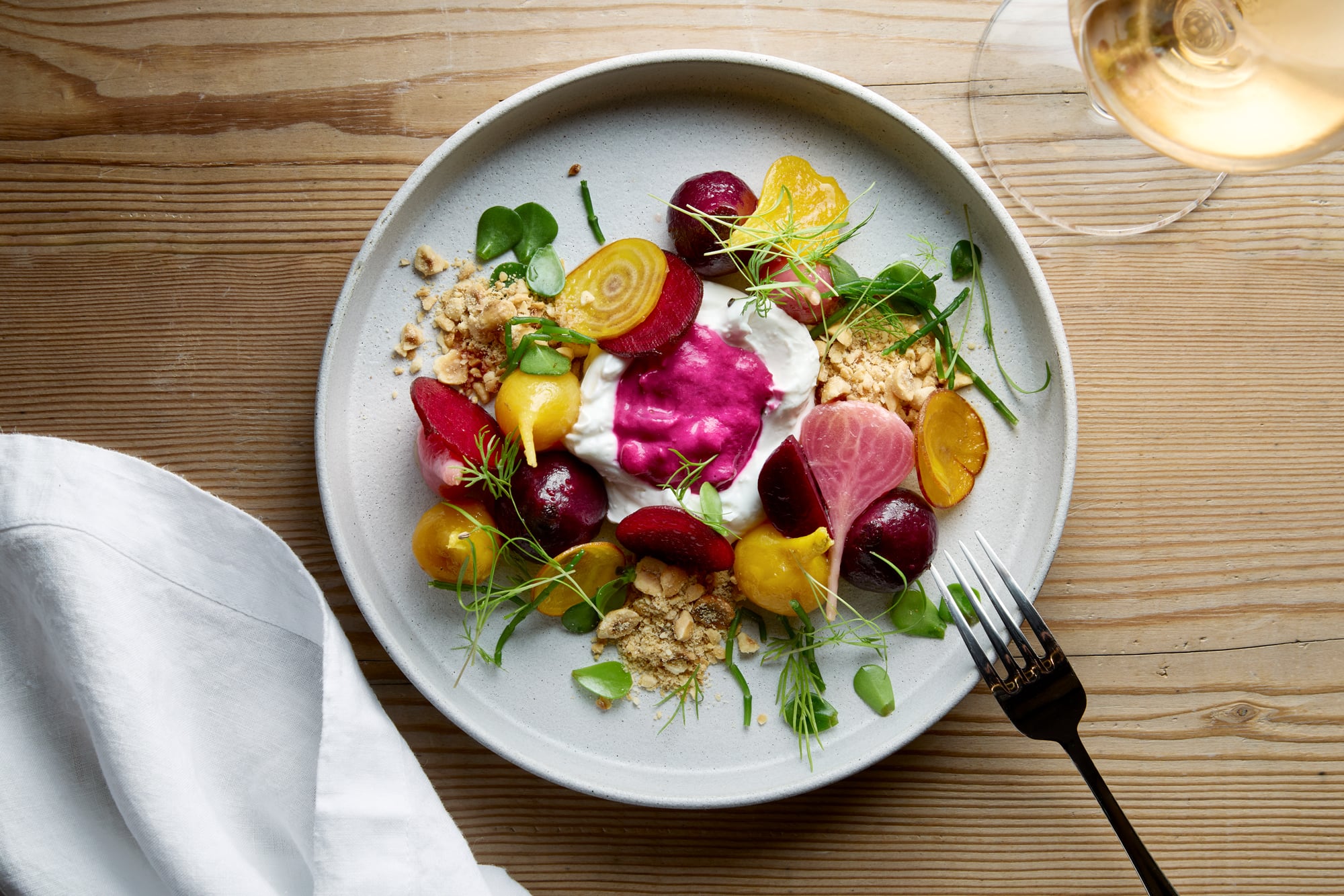
For those wanting to go deeper, the Winemaker Dinners at Veld Restaurant explore a single varietal across several courses, with Johan Jordaan and our team guiding guests through the wines and ready to answer the questions you have been saving up.
The wines are also online and at the farm. Explore the full range and book a tasting here.