
For more than 23 years, Spier Arts Trust’s Creative Block programme has provided professional South African artists with opportunities to experiment and grow their careers. The Creative Block: Making a Mark exhibition features 150 works by 85 artists from across South Africa and highlights 10 artists whose practices have evolved alongside the programme. From emerging voices to established names, the exhibition reflects the diversity of contemporary South African art – and highlights the value of sustained support in helping artists discover and refine their unique creative practices
Exhibition: Creative Block
Location: Spier’s Old Wine Cellar
Dates: 02 October – 31 December 2026.
Entry: Free
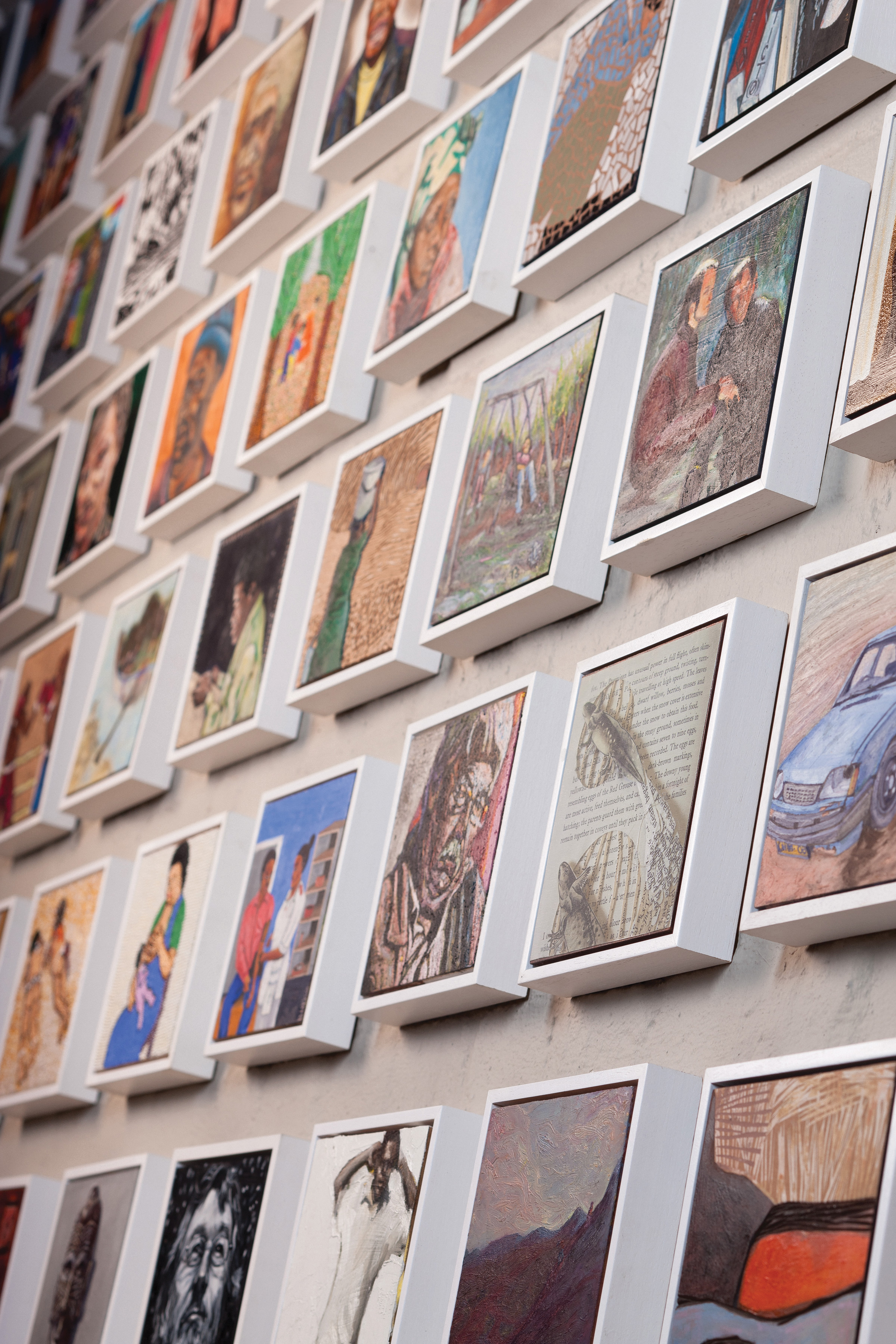
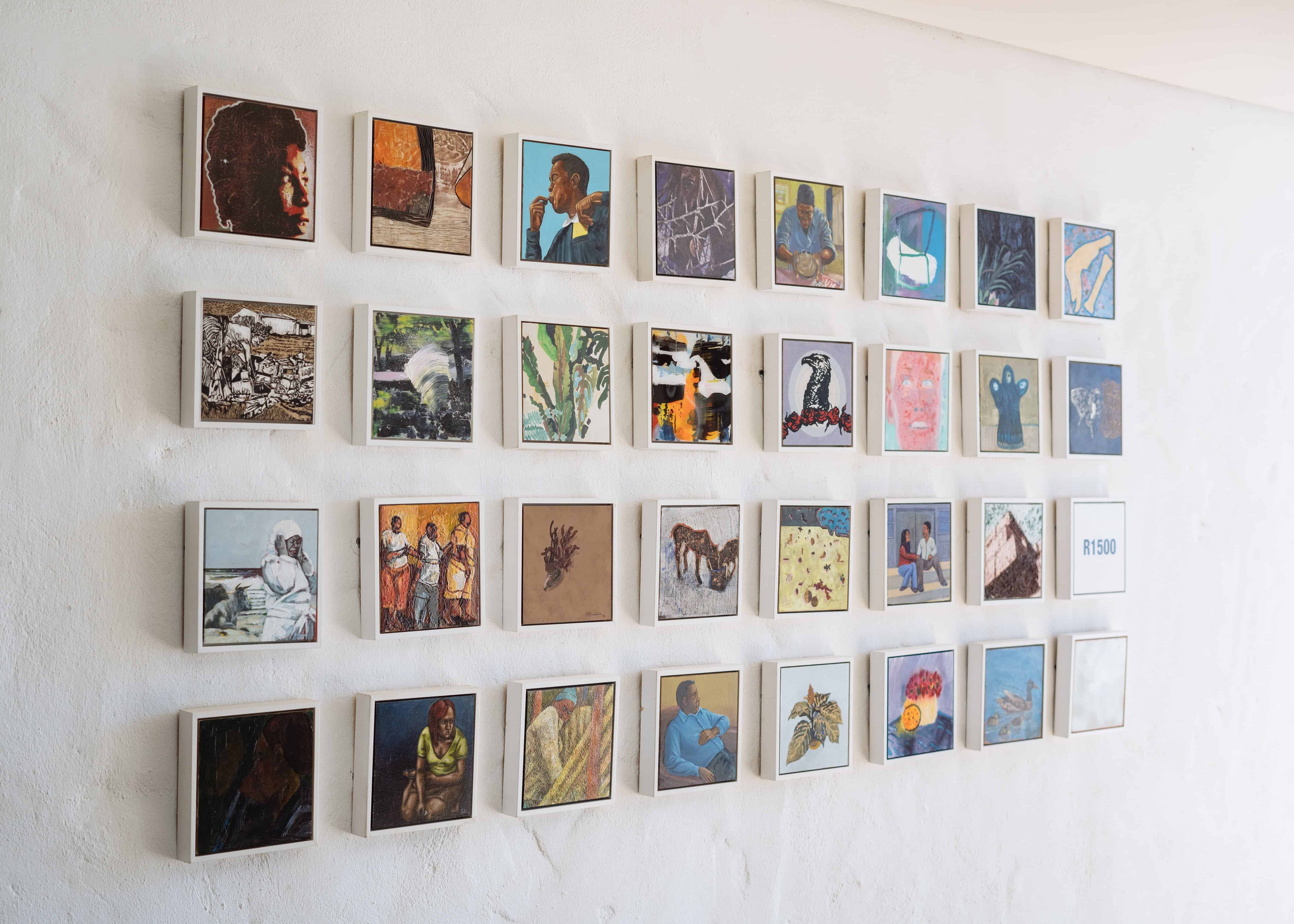
The Creative Block: Making a Mark exhibition at Spier Wine Farm’s Old Wine Cellar brings together 150 small-format original artworks by 85 artists from across South Africa, alongside photographic portraits of 10 artists whose careers have developed significantly alongside the programme.
The exhibition marks more than 23 years of the Creative Block programme and reflects on its impact across generations of South African artists.
For Tamlin Blake, chief curator at Spier Arts Trust, the exhibition celebrates what artists have achieved in their own careers and reflects on the role the Creative Block programme has played in supporting local artistic development.
“Spier Arts Trust values the programme as the foundation of our ecosystem,” Blake says. “This exhibition is a lovely way to celebrate the artists and their contribution to the programme over the years.”
Spier Arts Trust has worked with many artists at various points in their careers, including several who joined the programme early in their careers and have since gone on to establish significant national and international profiles
Watching Artists Grow
The 10 featured artists were selected for the way their careers and artistic practices have evolved over time, reflecting different pathways through the programme.
For Spier Arts Trust, the exhibition provides an opportunity to reflect on both the artists’ journeys and the way the programme has developed since its inception.
“We’re so happy to have walked this path alongside them for so long, and to have many of them still involved with what we do,” Blake says. “Their careers show what can happen when artists are given the support and space to develop over time.”
The selected artists are not necessarily regular Creative Block participants today. Some have moved beyond the programme, while others return occasionally. Their inclusion offers a snapshot of the enduring relationship between the artists and the organisation.
The Value of Support
Behind the celebration of individual artists is a broader reflection on the role of formalised support in helping artists navigate the early stages of their careers.
Establishing a sustainable career in the arts can be difficult without some form of support structure. “Especially while they’re developing their unique artistic voice,” Blake says, “it’s a tricky space to navigate alone.”
Creative Block provides a practical form of assistance. Through the programme, Spier Arts Trust purchases work from artists on a frequent basis, while the income generated contributes towards everyday costs such as art materials or studio rent.
Blake says: “When artists are supported, they flourish, and that benefits our entire artistic community. It’s important for organisations to invest in the arts, and we’re proud to do that through Spier Arts Trust.”
A Celebration in Works
The exhibition will feature 150 Creative Block artworks presented alongside photographic portraits highlighting 10 artists. The portraits are intended to offer visitors a sense of the people behind the artworks, their personalities and what drives their creative practices.
The diverse selection of Creative Block works by 85 artists from across South Africa has been selected to demonstrate the breadth of creativity represented within Creative Block. “It’s inspiring to see the many different voices in terms of art making, and the way artists express themselves. For aspiring artists it demonstrates what is possible.”
That variety is part of what makes the programme work, Blake believes. Visitors may not respond to every piece, but the diversity of approaches can prompt curiosity and engagement.
The Creative Block: Making a Mark exhibition celebrates the artists and the programme that has helped create opportunities for them along the way.
It is a reminder of the value of sustained support and long-term relationships: not necessarily in determining where an artist will end up, but in providing the practical opportunities and encouragement that can help them keep going while they find their own direction.
Celebrated Artists
The exhibition’s photographic portraits focus on 10 artists whose careers have developed alongside the Creative Block programme. Together they represent a range of career trajectories and contemporary perspectives.
Blessing Ntsikelelo Blaai works across fine art and murals, exploring the relationship between urban spaces, memory and the natural world. His semi-abstract work considers how city life reshapes the physical and emotional landscapes around us.
Discarded materials are central to Patrick Bongoy’s multidisciplinary practice. He works with rubber from tyre inner tubes, hessian, industrial packaging and textiles, weaving and cutting them into layered sculptures and reliefs to explore depleted resources, waste and the physical labour of everyday life.
The landscapes of the Klein Karoo provide a rich backdrop to Liza Grobler’s practice. She creates alternative landscapes and realities that bring together physical, psychological, historical and ecological spaces.
Vivien Kohler uses collage, mixed media painting and three-dimensional works to explore migration, marginalisation, excess and waste. Kohler often works with discarded materials, using layered imagery to consider social and economic realities.
Street culture and everyday images inform Kilmany-Jo Liversage’s vibrant, large-scale portraits. Working in spray paint, acrylics and mixed media, the artist draws on images from mass media and social networks, often depicting complete strangers.
Women, community and everyday life are recurring themes in Boyce Magandela’s work. The artist draws on the changing social dynamics of Mitchell’s Plain, creating portraits and using stitching that celebrate women’s strength and independence.
For Lionel Tazvitya Mbayiwa, land carries memory, identity and ancestral presence. Born in Zimbabwe, the artist’s work draws on Shona traditions and the spiritual connection between people and the land.
Clay, glass and metal become vessels for memory in Mellaney Roberts’s delicate, layered works. The ceramic artist explores land, material memory and intergenerational histories, particularly within marginalised communities.
At the heart of Henk Serfontein’s work is landscape, identity and culture – whether expressed through hyperreal nightscapes or vibrant abstraction. His recent Maputo Abstracts draw on the architecture and ceramics of the Mozambican city, alongside the bold colours of capulana fabrics.
Tafadzwa Tega is inspired by the hopes, struggles and lives of Zimbabwean migrants. Born in Harare, Tega draws on photographs of people dressed in their finest clothes against glamorous backdrops. Behind these carefully composed scenes are stories of migration, ambition and resilience, capturing the determination to build a better life.