


In 2019, we won the Amorim Biodiversity Award at The Drinks Business Green Awards. This year, we’ve been shortlisted again. Since then, biodiversity has moved from a project to a way of farming, shaping everything from indigenous planting and habitat restoration to how we work with the communities around us
Our entry this year looked at what has changed, what we’ve learnt and the people behind the work.
From 53,000 to 120,000 plants
In 2019, the work was practical. We cleared invasive plants, rehabilitated damaged land and created places for birds, insects and animals to return to. By then, our nursery had planted more than 53,000 indigenous trees, shrubs and fynbos plants over 11 years.
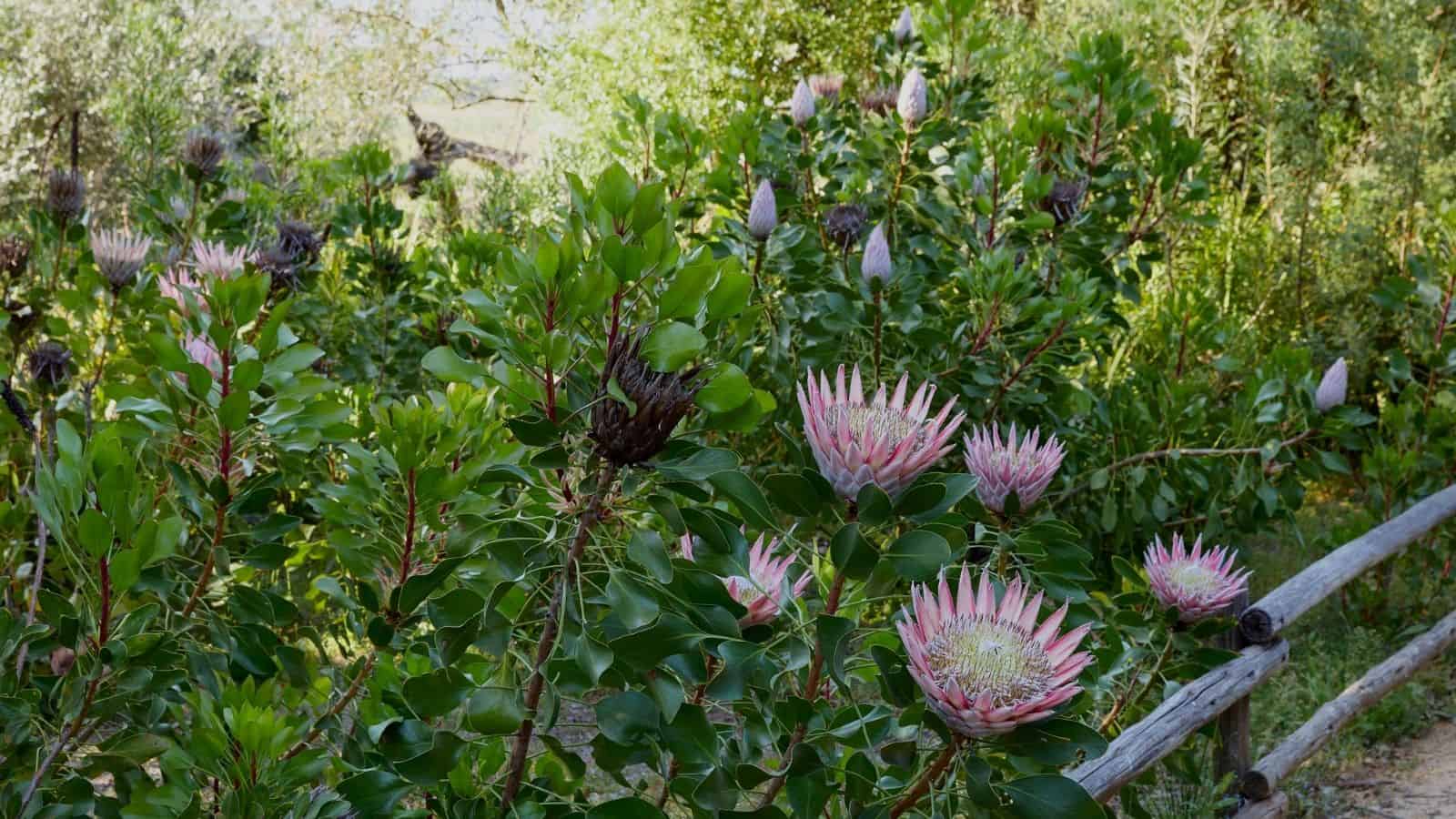
Between 2020 and 2026, the team grew and planted more trees, shrubs, fynbos, bulbs, grasses, sedges, restios and groundcovers, totalling 120,000 plants. Around a quarter, or 55,000 to be exact, of them went into the ground between July 2024 and July 2026.
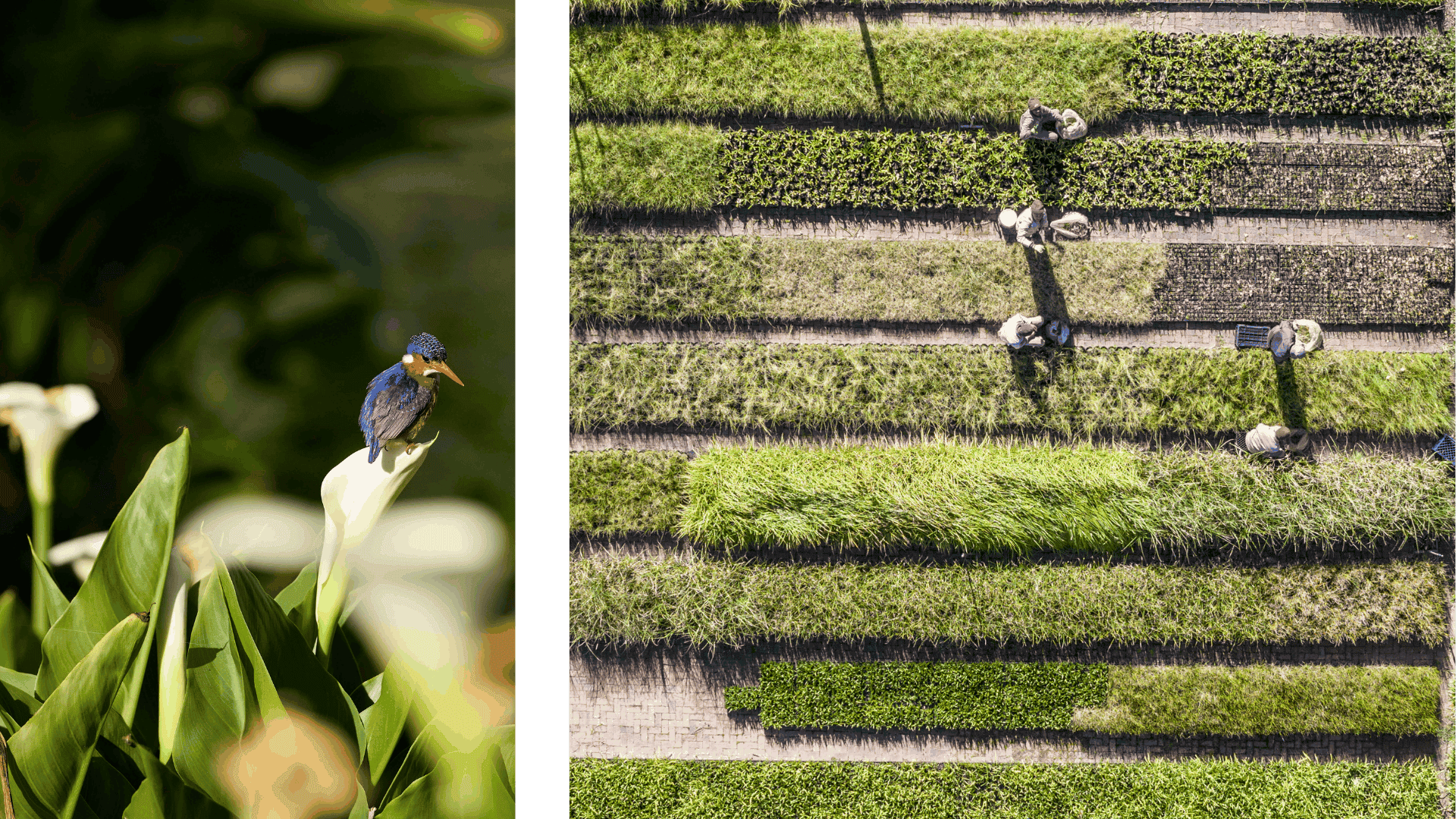
Our resident horticulturist, Wilton Sikhosana, leads the 30-person nursery team. As a boy, he gathered indigenous herbs for his grandfather, who used medicinal plants to heal people. “What we’re doing now is a process of ecological restoration: reintroducing the indigenous plants that once grew here,” he says.
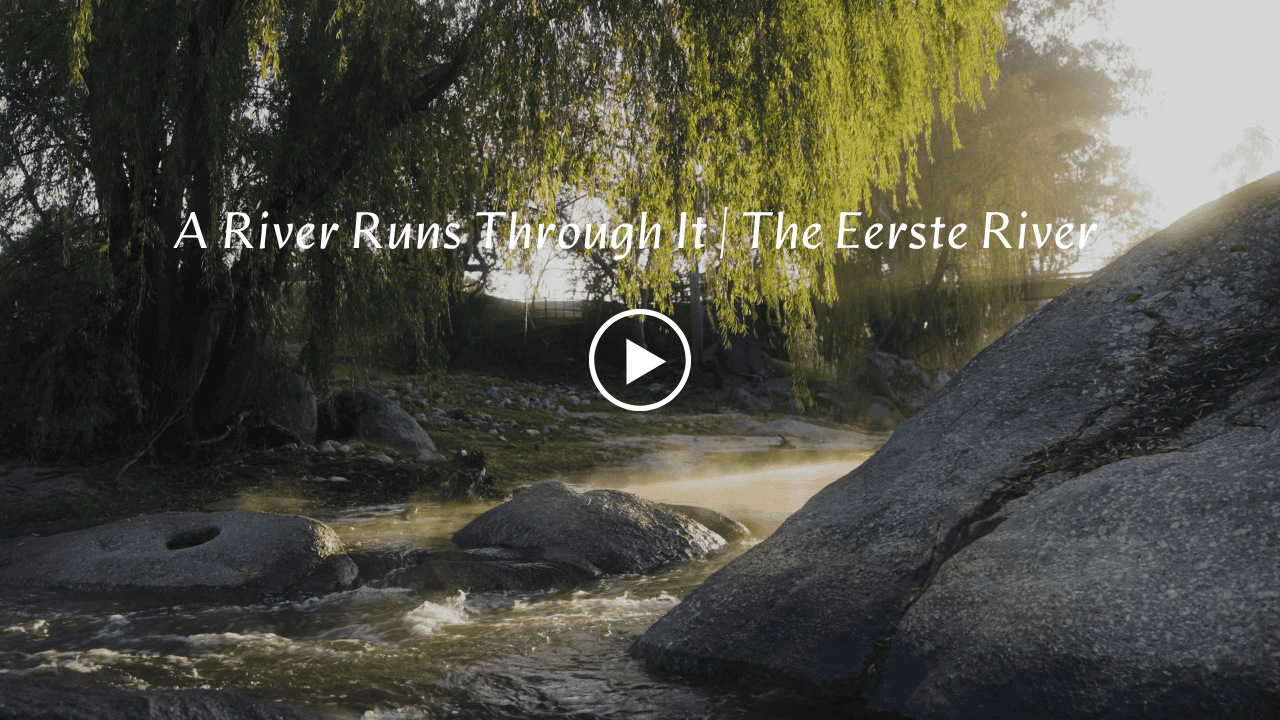
Following the river
Much of the planting has followed the Eerste River, through wetlands, along riverbanks and into patches of fynbos and renosterveld. Along one stretch, around 15,000 trees have been planted. Porcupines and duiker now use the banks, along with tortoises, snakes and a family of black-backed jackals.
The river has put our work to the test. Three major floods in recent years have shown how much force it carries. “A river needs space,” Mariota Enthoven, Family Owner and Spier Custodian. “By restoring indigenous ecosystems and creating natural sponges in the landscape, we increase the soil’s capacity to absorb and process that water.”
In our short film, Mariota Enthoven walks the Eerste River, where replanting is helping to hold the banks after recent floods.
Feathers, cattle and contour lines
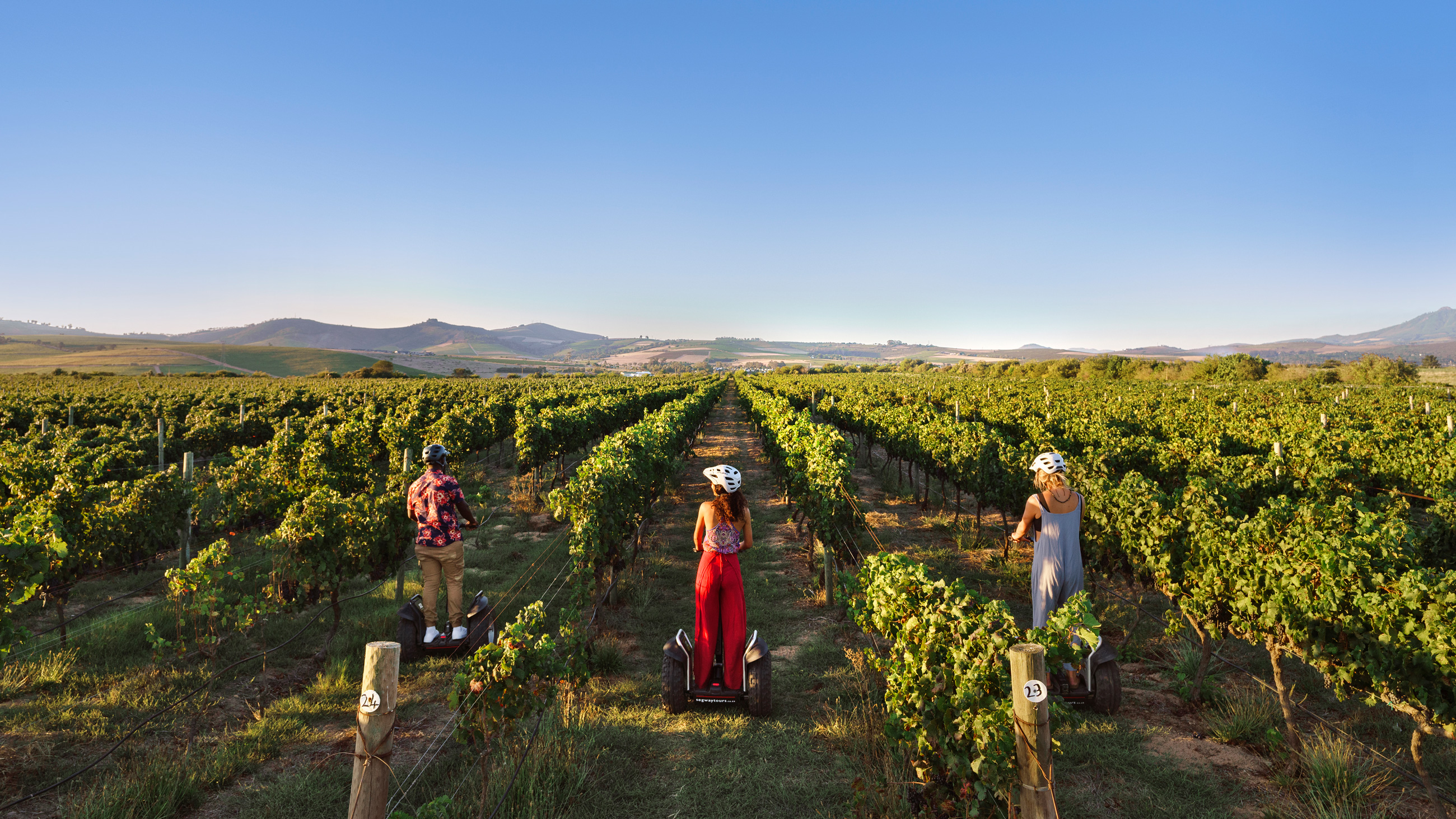
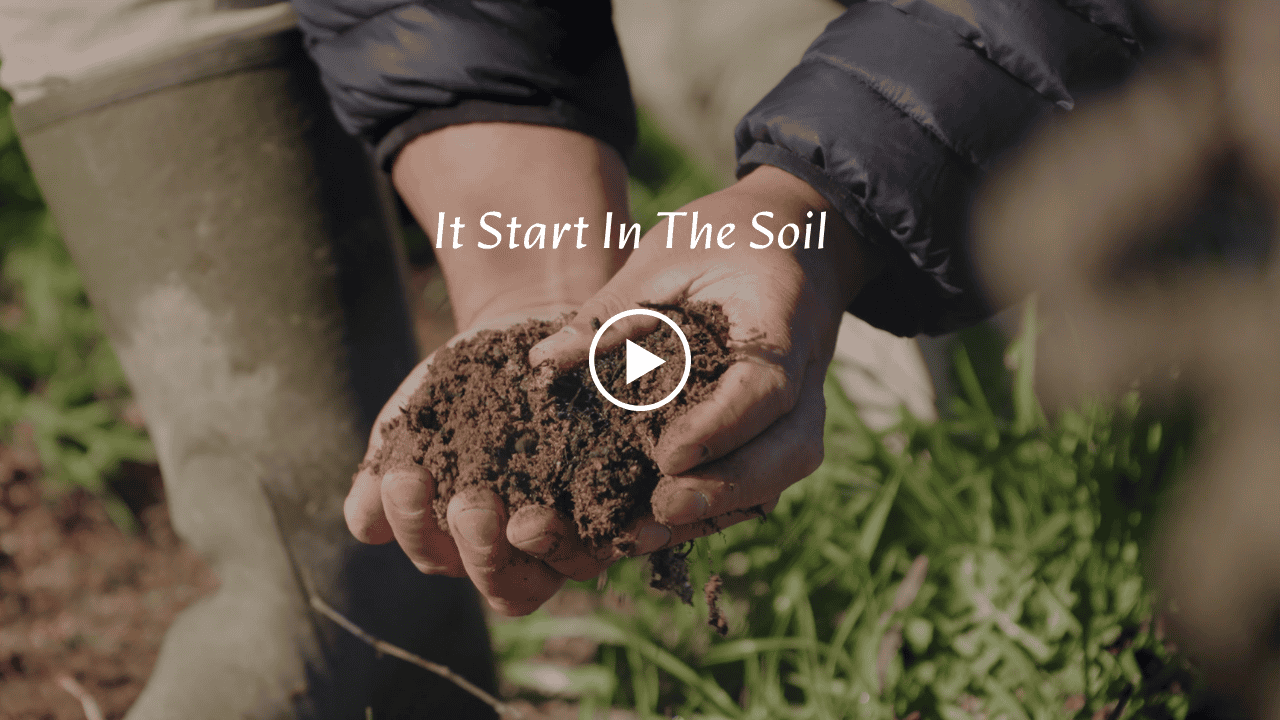
Orlando Filander has looked after our vines for more than 23 years. Since 2019, chicken-feather mulch has gone from a trial to standard practice across the farm. It protects the soil through summer, breaks down into a natural fertiliser and keeps mulched soils an average of 14°C cooler. “The topsoil has a higher organic content; it’s darker and feels more alive,” Orlando says.
Cover crops grow between the vine rows and tillage is kept low. Farmer Angus McIntosh moves the cattle twice a day and leaves each patch of ground for six weeks before they graze it again. “We need to make things better,” he says.
In May 2025, 30 hectares of pasture moved to contour-based grazing to reduce erosion along the farm roads. That pasture is home to 6,000 hens in 20 mobile coops. In June 2026, we planted 5,500 trees in shelterbelts below the new contour roads. Two donkeys now live with the herd to protect the calves from caracal.
Room to roam
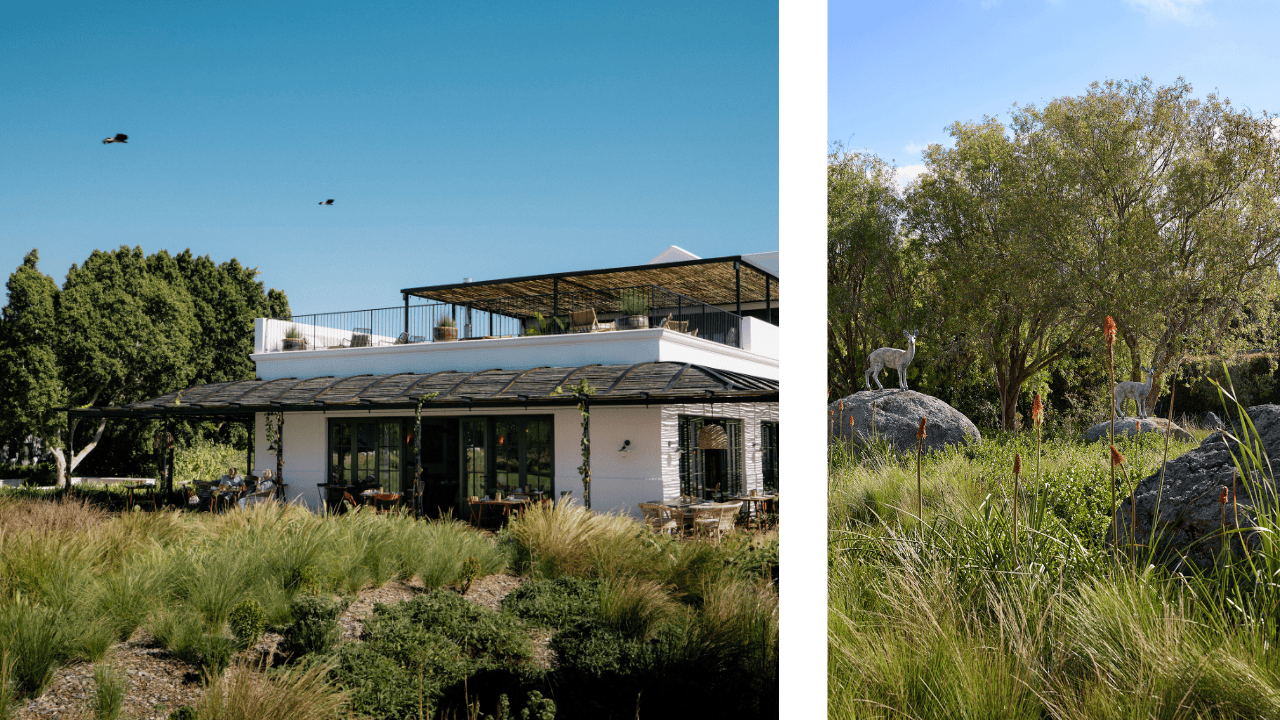
Around the hotel, the rewilded gardens are in their second spring. The grasses have filled out and Cape bulbs from our nursery are multiplying. Across the river, an elevated boardwalk runs through the Wilds, a mix of wetland, fynbos and renosterveld that changes with each season.
Our bird list now stands at 132 species. It draws on Cape Bird Club records and other sightings, including those of our staff bird club. Recent outings have recorded Malachite Kingfisher, African Black Duck, Purple Heron, Cape Longclaw and African Spoonbill.
In November 2025, ten bontebok arrived. We believe the species last grazed here around 300 years ago. The first calves are expected this month.
Beyond the farm gates
Since 2009, we have partnered with Wildtrust on Tree-preneurs. The programme helps people grow indigenous trees and plants, as a source of income and as a way to green their neighbourhoods. This year, growing moved from people’s homes to Tree-preneur Nodes, shared hubs in Vlottenburg, Vlaeberg, Lynedoch and Kayamandi that offer space, resources and training. Under programme manager Neil Graham, 44 community members are growing thousands of trees and plants. Once they’re ready, they’re planted in Pocket Forests and Peace Gardens across the region, where learners also get lessons outdoors.
Thank you to Wilton and the nursery team, Orlando and our farm and vineyard teams, Angus, and Neil and the Tree-preneurs. As Orlando puts it: “Everyone who works on this farm has a responsibility to leave it in a better condition than they found it.”
We’ll find out the results on 23 November. The bontebok may have news of their own before then.